
How We Work
We don’t sell reactive callouts. We sell reliability through structured preventative maintenance programmes that keep your plant running at peak performance.
Most industrial service providers are reactive. They arrive when something breaks, fix the immediate problem, and leave. That model costs our clients more than it should — in unplanned downtime, accelerated asset wear, emergency premiums, and production losses that far outweigh the original service fee.
We work differently.
Every engagement at Smet Jet Africa is built around a preventative maintenance philosophy — identifying risks before they become failures, scheduling interventions around your production rhythms rather than against them, and treating every scope as an opportunity to reduce total cost of ownership.
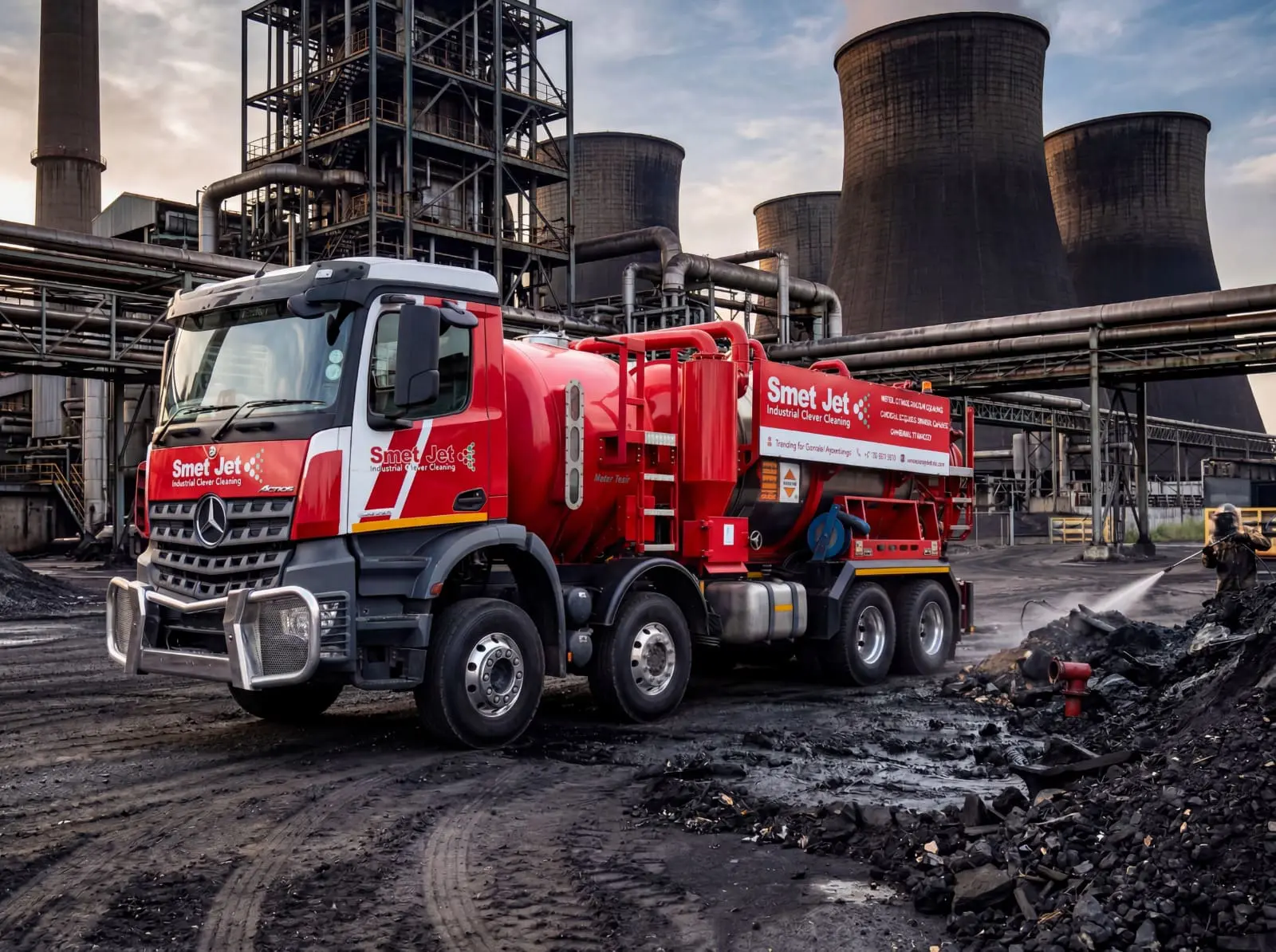
Our Methodology
1
We start by understanding your plant — assets, waste streams, critical systems, operating calendar, and historical failure patterns. This gives us the baseline to design interventions that deliver real reliability gains.
2
We build structured maintenance programmes scoped to your operation — scheduled cleaning cycles, waste management workflows, plumbing inspections, and turnaround support. Everything planned, everything documented, everything aligned to your production calendar.
3
We execute with technical precision and safety discipline, providing full reporting, compliance documentation, and continuous improvement recommendations—every engagement compounds in value over time.
The Outcome
Fewer unplanned shutdowns through scheduled, risk-based intervention.
Longer asset life through proper cleaning cycles and preventative care.
Predictable maintenance costs through contract-based programmes.
Measurable uptime gains, documented and reported over time.
Stronger compliance position through consistent, auditable execution.
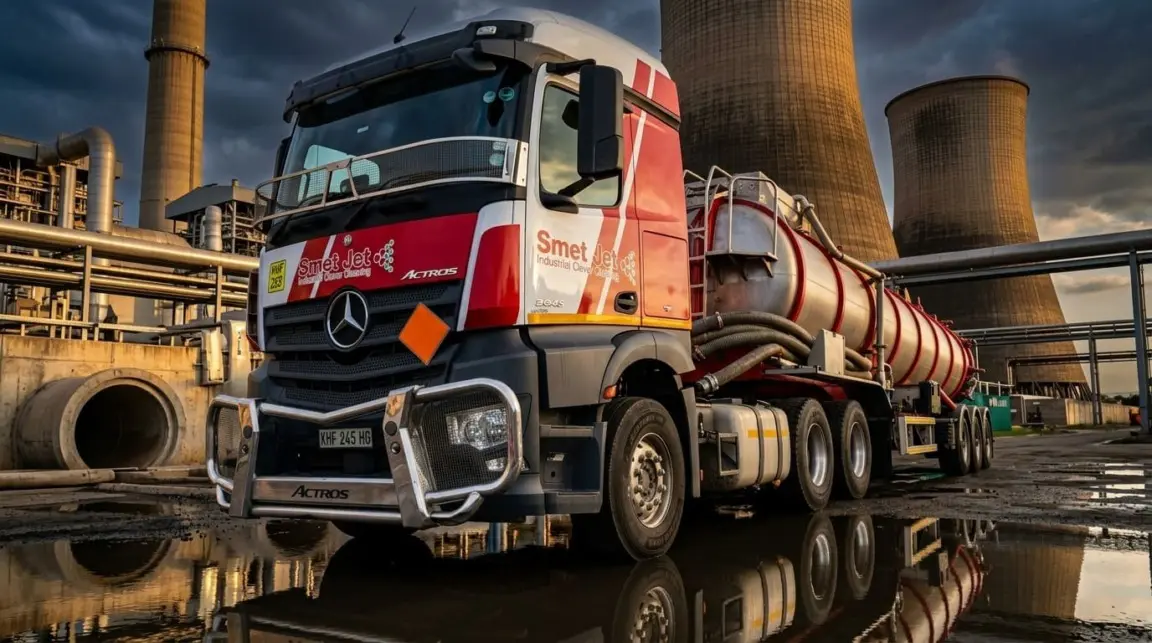
ONE PHILOSOPHY, THREE DISCIPLINES
Our approach runs through everything we do:
Scheduled collection cycles, proactive waste stream analysis, and compliance reporting that keep you ahead of regulatory risk.
Planned descaling, passivation, tube cleaning, and vessel work timed around your production windows, not against them.
Scheduled inspections, preventative repairs, and system reliability programmes that stop small issues becoming major shutdowns.
Integrated waste management, industrial cleaning, and plumbing services - keeping Africa's industrial plants running at peak performance.